
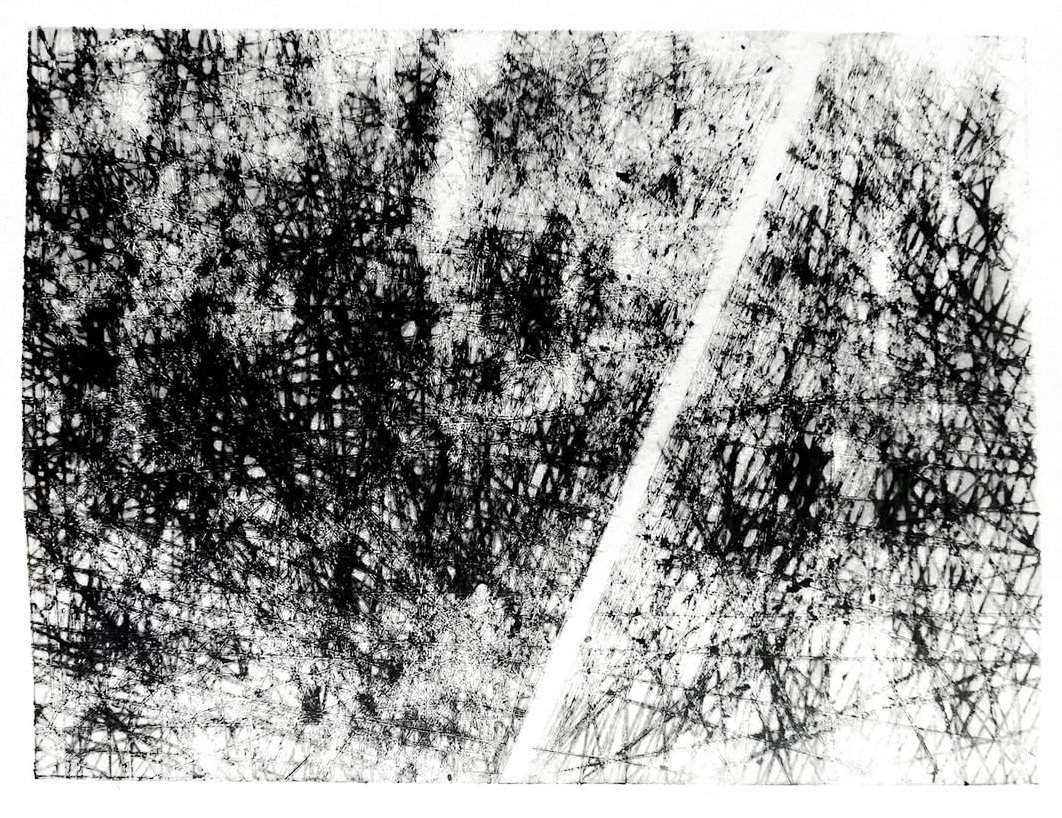
Thanks to the open access option (use this link to download the article: https://www.mdpi.com/2077-1444/16/9/1195 ) we offer the chance to read the freshly published article by theologian Marjolaine Legros-Hoffner, The Rebellion Against Suffering Women’s Silence: The Transformation of Despair into Language for a Pastorally Helpful Eschatology. It examines the life reality of women affected by cancer—the submission, loneliness, and silence that conceal the experience of suffering and hope. In dialogue with Audre Lorde’s The Cancer Journals and medieval texts from Julian of Norwich and Margery Kempe, the author lays out a new perspective on eschatology that can foster pastoral support by transforming despair into meaningful language.
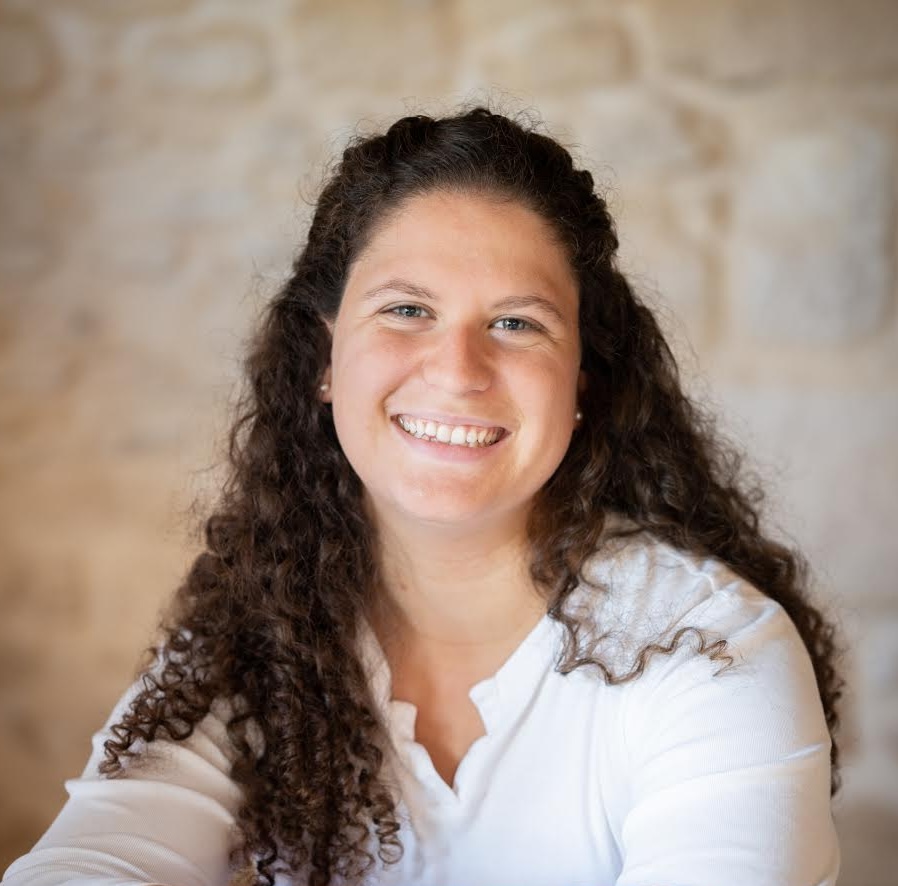
LLSTA asked the author to tell us how this research topic came to her and why it is important.
Short biography:
Marjolaine Legros-Hoffner holds a bachelor’s degree in philosophy and theology from the Dominican University College in Ottawa (Canada) and a master’s degree in theological research from KU Leuven (Belgium). She is currently a doctoral researcher and is working on a joint doctoral dissertation at KU Leuven and the University of Fribourg (Switzerland). At the University of Fribourg she works as an assistant in the Chair of Moral Theology and Christian Social Ethics, and she also represents the Interdisciplinary Institute for Ethics and Human Rights.
How this topic came to me:
Although my field of research interest has, since my bachelor’s studies, been suffering and eschatology, I had not previously encountered the authors discussed in the article. This summer, during my holiday, I visited the town of King’s Lynn, Margery Kempe’s birthplace, and Norwich, where I visited Julian’s shrine. There, for the first time, I picked up their books, and on the way back, passing through London, I stopped at another bookstore and bought a work by Audre Lorde. I chose these particular women’s books on the recommendation of a theologian friend, because I was looking for thinkers who could inspire my spiritual path. As I read, I realized how deeply their experience and words resonate with me as a woman living with chronic pain, and how much they align with the observations I gained in the places where I have done volunteer work. Thus the article became a confluence of my longstanding research, my experience of pastoral care, and authors I discovered by chance.
What I discovered as a theologian, an academic, and a woman in researching this topic:
First I must explain why I study theology at all. I have always been driven by the desire to give a voice to those whom society or the Church has tried to silence, and to critically examine doctrines that have a negative effect on people. I have seen how many women leave theology because they do not want to face discrimination or disproportionate demands, and I have experienced how those who suffer can be wounded by the proclamation of certain doctrines.
In this context, it seems to me that the published article is the culmination of years of research and dedication, which is visible in the text. What was interesting was that, in my efforts to give a voice to others, I also discovered my own voice. To publicly state a position, to assert myself in the academic environment, and to formulate thoughts in writing – this has not always come easily to me, but it has proven essential to my path. And it was possible only because I dared to speak openly about a topic that is very important to me.
I think that one of the most important discoveries I made in the process of writing the article was to completely change how I framed my questions. I have long been aware of women’s silence in many areas of our public life, and although I have tried to challenge it, I had never really considered what specific lessons this silence might offer us. So my view shifted from a simple rejection of a certain role (the silent one) imposed on women to the possibility of positively transforming this implicit role, examining its influence on doctrine and offering practical tools for supporting women. Since we are heirs to women’s persistent silence, I believe that the way to resist it is to use silence as a resource, to learn from it rather than blindly reject it.
.
Text and illustration: Lux aeterna. Intaglio print, 2022. Arta Skuja