
A sermon by Dr. Urzula Glienecke, chaplain at the University of Edinburgh and minister of the Church of Scotland
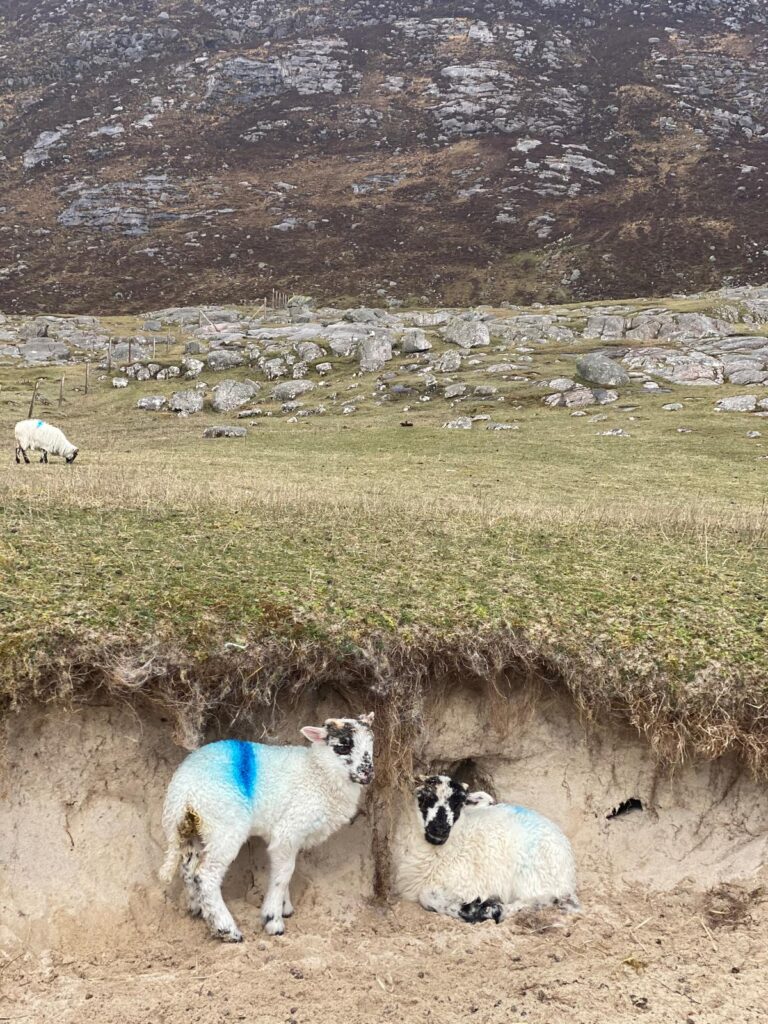
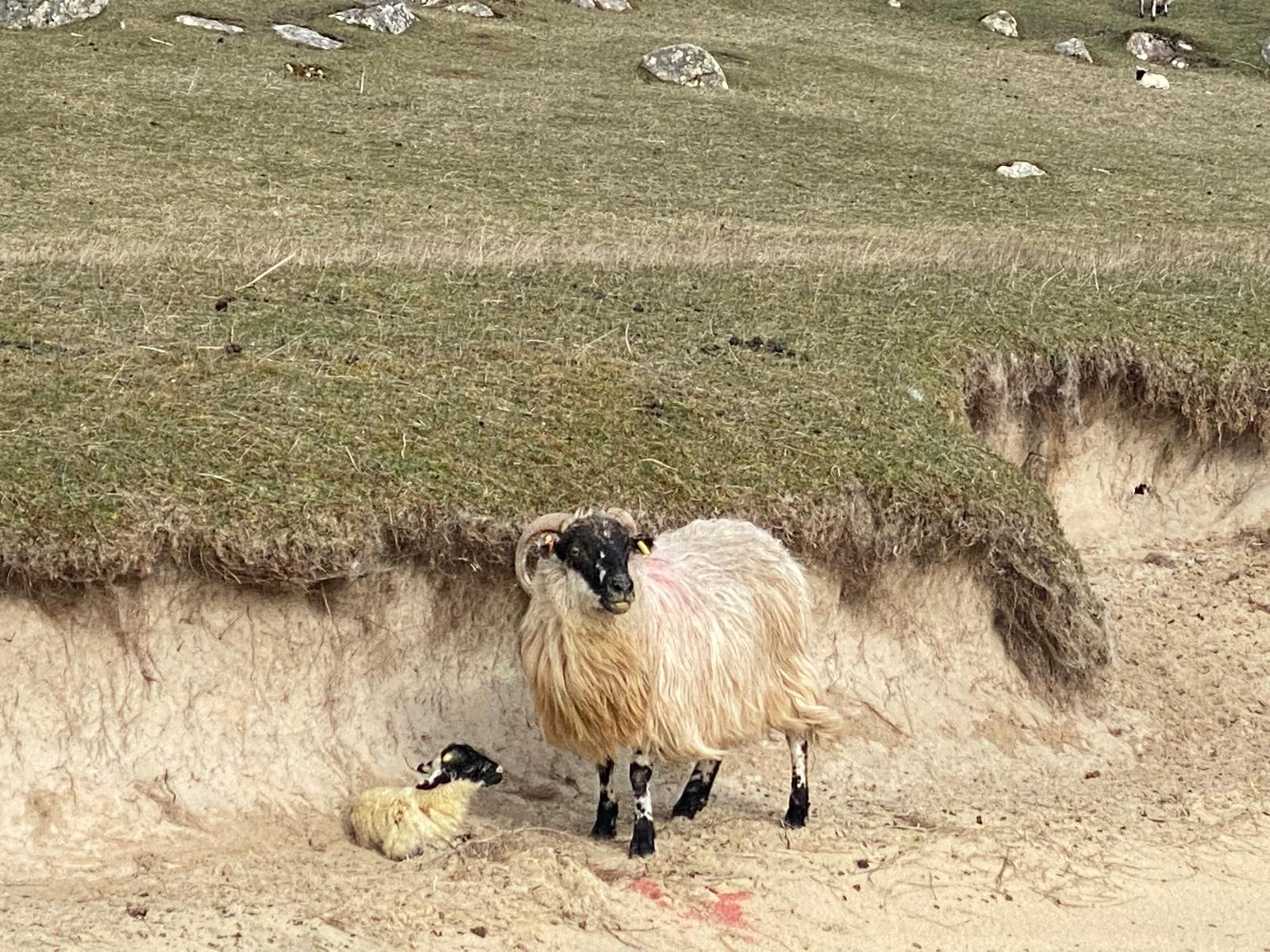
I could tell you a great deal about sheep, but instead, let me make a small suggestion – if at all possible, please spend some time watching sheep.
Sheep are far more intelligent than we think. A sheep is roughly as intelligent as a dog. They are able to recognize faces and their various expressions, and it turns out that sheep prefer smiling faces. Usually sheep do not trust people, with a few exceptions – for example, those that were bottle-fed by a human in their “lamb years”. Sheep have every right to be afraid – we have caught and sheared them, and for thousands of years we have slaughtered them.
Sheep are among the oldest domesticated animals. For example, in the Hebrides of Scotland, sheep’s wool has been found almost unchanged since the Bronze Age. The sheep themselves do not know that there are far too many of them! There are more than a billion of them on Earth. But that is not the sheep’s fault – it is our own unbalanced behavior toward nature. Sheep can be destructive, or they can be very valuable. Just like us, human beings. Let us think about that together!
The parables
In the book Feasting on the Gospels, Edmondson tells the story of how, in a rural church in Mexico, a young man was playing the guitar and children’s voices filled the room: “Yo tengo gozo, gozo, gozo en mi corazon!” – there is joy, joy, joy in my heart…. The children, loud and exuberant, with smiles on their faces, sang in such a way that there was nothing subdued or hidden in their gladness. It was like a fiesta, a celebration taking place in the street, and their singing sounded like a proper party.”
The parables of the sheep and the coin are often called the parables of the lost. The lost sheep. The lost coin. Yet the sheep and the coin are lost only for a moment in these parables. These parables are about restoration, return and joy, about being found. In just ten verses the words “joy” and “gladness” are mentioned five times! At the center of the story are a shepherd and a woman who call on their friends and neighbors to celebrate: “Rejoice with me! I have found what was lost. Rejoice with me!”
What about God?
God’s love is directed toward the poor, the outcast, the oppressed. God sees the “lost sheep” – the one who is hurting. And God rejoices together with those who are found, that they finally have life in fullness.
Jesus’ parables do not begin with gladness. The privileged representatives of power – Jesus’ opponents – complain about appearances and propriety. They do not like the people who come to Jesus. They think: “They are not like us! If they were ‘our own’, they would observe our traditions, forms and norms. They would speak, look and live like us! Instead, they are dangerous, undignified, unpleasant, sinful people.
Then Jesus tells them about the shepherd’s compassion, that he not only finds one lost lamb but carries it home himself, like something very precious and dear. The coin of the woman described in the story was also very dear to her, and traditionally she would have worn it on a necklace. Perhaps she did not have much of value; perhaps the coin was all she owned. She turned her whole house upside down, desperately trying to find this coin. When the woman found it, she celebrated her find together with her neighbors and friends. My experience shows that often those who own the least are the most generous and share the most.
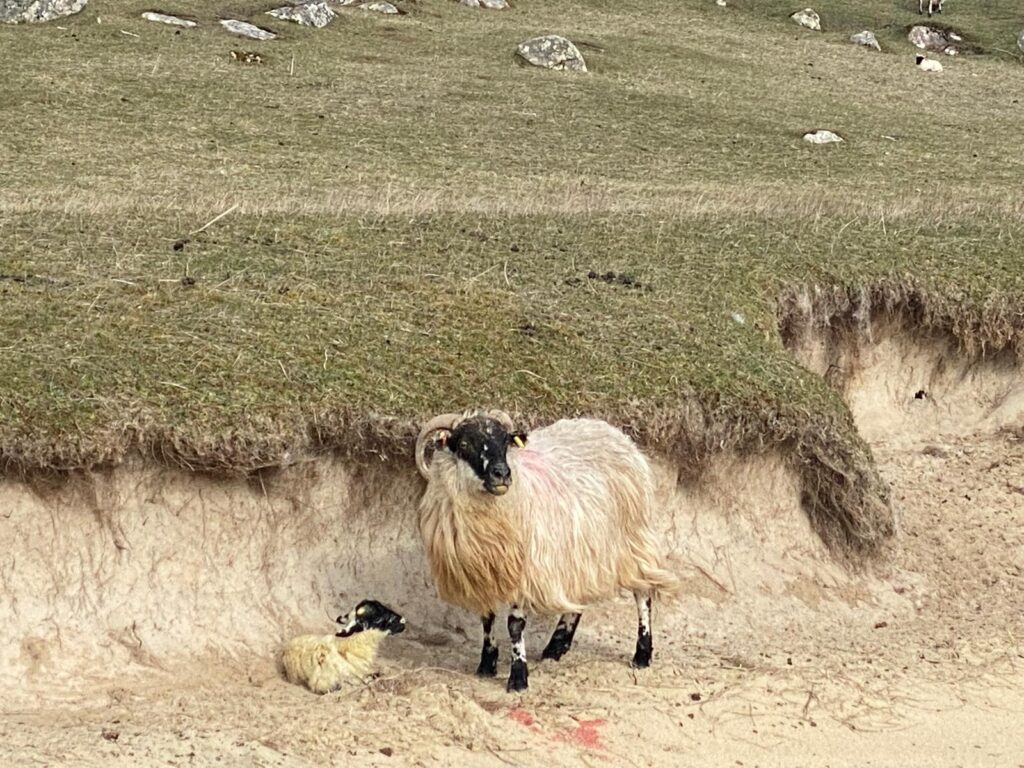
God cares for the “lost”. I used to believe that they were lost because of “sin” or unbelief. Now I have begun to see it differently. For the most part, people are “lost” because of exclusion, oppression, marginalization – because of lost rights, lost self-respect, lost worth, lost participation. And God goes out to find them, and to find us as well. God calls us to do the same. To see the one who is wounded, the one who is lost. And to fight together with them for their rights, to fight for a just order, for a just society, community, church. To love actively, so that they may be found.
When the lost is found, the heart rejoices with joy – when the outcast is included and the oppressed regains their rights and dignity. But also when the sinner repents and is found: “I tell you that in the same way there will be more rejoicing in heaven over one sinner who repents than over ninety-nine righteous persons who do not need to repent.” (Lk 15:7)
We all fall and sin at times, and now and then we lose our way. And that is completely normal. Yet that is not all – there are things that must change. Inequality continues: racism, gender inequality, discrimination against people with different abilities. Our priority must be those who are vulnerable and treated unjustly.
But what can we do? How can we become better advocates and allies?[1]
Educate yourself!
An ally first devotes time to reading, listening, watching and deepening their understanding. For example, by devoting time not only to studying the history of systemic racism in the country and the struggles faced by Black people or people of other races, nationalities and cultures, or people from the LGBTQ+ community, but also to evaluating how my own behavior reinforces various kinds of discrimination.
When you then talk about the difficulties faced by people who are discriminated against, ask their consent to share these experiences, and, if permission is granted, approach these experiences with humility and a readiness to learn from them.
Examine your privileges!
A good ally is aware of the privileges, opportunities, resources and power that are given to them automatically (for example, the “white man” with his characteristic privileges), but that are denied to others, openly or invisibly. Such realizations can be painful, because they often mean acknowledging that we have not earned our privileges and successes on our own.
Build feedback!
Deliberately seek feedback from marginalized groups, but be aware that a power dynamic exists between you and them. If, for example, Black women ask white male colleagues for help, and they themselves are not in a safe position, the situation can become very problematic.
Become a person of trust!
Let other women understand that they can trust you and share experiences of the offenses, dismissals or aggression that women so often encounter in their workplaces. Be available, listen kindly, try to empathize with their experience.
Promote diversity!
Supporters and allies are those who invite as many representatives as possible from marginalized groups to meetings and discussions, and they ask: “Whose viewpoint are we still missing here?”.
If you notice something, speak about it!
This is perhaps the hardest task. Pay close attention to whether there are racist or sexist comments and behavior in your workplace – stand against it clearly and decisively! Do not expect the oppressed to be able to react on their own. If you witness discrimination, do not go to the victim later to express sympathy, but offer your support immediately.
Do not accept or support unexamined assumptions!
If someone looks or sounds different, do not assume that they are a foreigner. When starting a conversation, do not ask: “Where are you from?”. That makes the other person feel as if they are different, as someone who does not belong. People with different abilities or with an accent should be treated just like anyone else. Start by introducing yourself.
Start a conversation!
Ask people from marginalized groups – what are your experiences? Show not only interest but also support. And most importantly, let them be who they are.
Build a community of allies!
Supporters can broaden their influence by joining an existing like-minded group or by forming new collaborative groups.
We are called not only to “listen and learn”, but also to repent of what has been done wrongly in the past and to take part in bringing about change.
I will repeat what I already mentioned:
God sets out to find the “lost”. And God calls us to do the same. To notice the one who suffers or is discriminated against. And then to fight together with them for their rights, to fight for just systems, society, communities, churches. To love them actively, so that they become free, so that we may all rejoice together!
[1] https://hbr.org/2020/11/be-a-better-ally
translation of the address: Arta Skuja