
Urzula Glīneke is a Latvian theologian, artist, activist and member of LLSTA. She currently lives in Scotland, is a member of the Iona Community and a chaplain at the University of Edinburgh. Urzula travels a great deal and has worked, studied and lived in Norway, Germany, Spain and Ireland. Urzula cares about the diversity of nature and environmental protection. She works with joy and zeal together with those who are unnoticed and undervalued in society.

Through what prism do you look when you think about these three magnitudes – the Creator, creation as the created, and the act of creation?
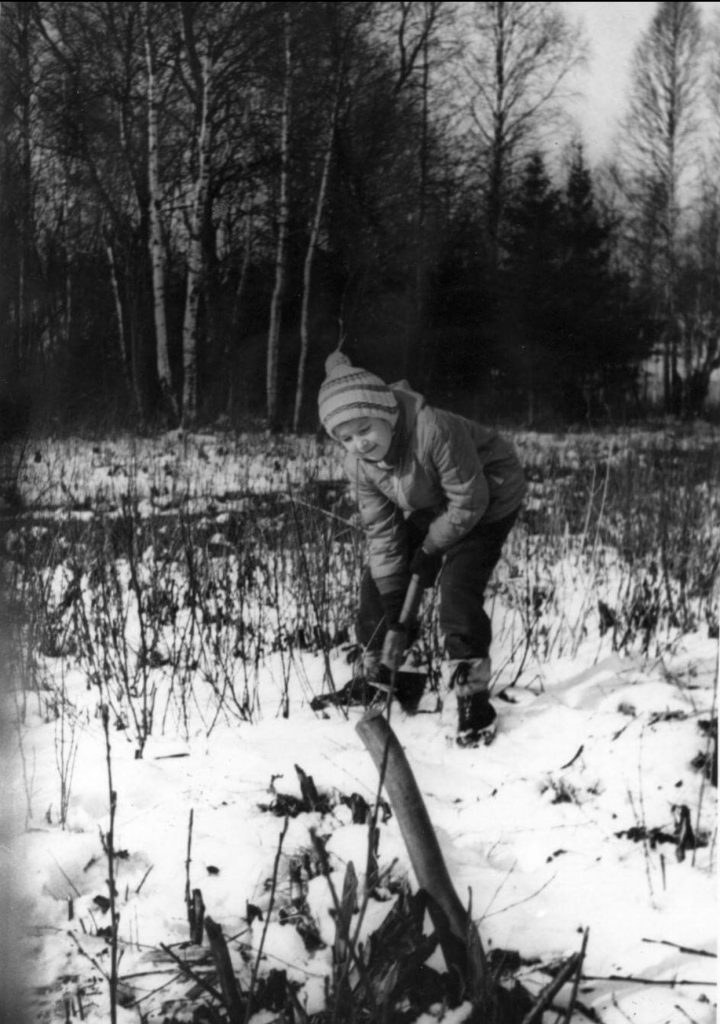
Urzula Glīneke: The very first thing I have to think about in this connection is nature and the natural sciences. That was my first love. I am still very interested in biology, zoology, environmental and climate sciences. In childhood I spent a great deal of time in nature, and I still continue to do so. I grew up together with scientists, and one could say that I essentially grew up at the Academy of Sciences. We also had a Nature Society, where scientists with their families gathered twice a year. Once a year we went somewhere to do volunteer work; for example, one place was the Āraiši lake fortress. These were projects connected with biology, with nature reserve zones, with historical things. The second time of the year, in warmer weather, we went to visit some other project. That was very, very important to me.
I began to read very early, at about three years of age. My first books were not children’s books. They were from the series “Science” and “Planet” – it was traveling around the world, at a time when that was not yet possible.
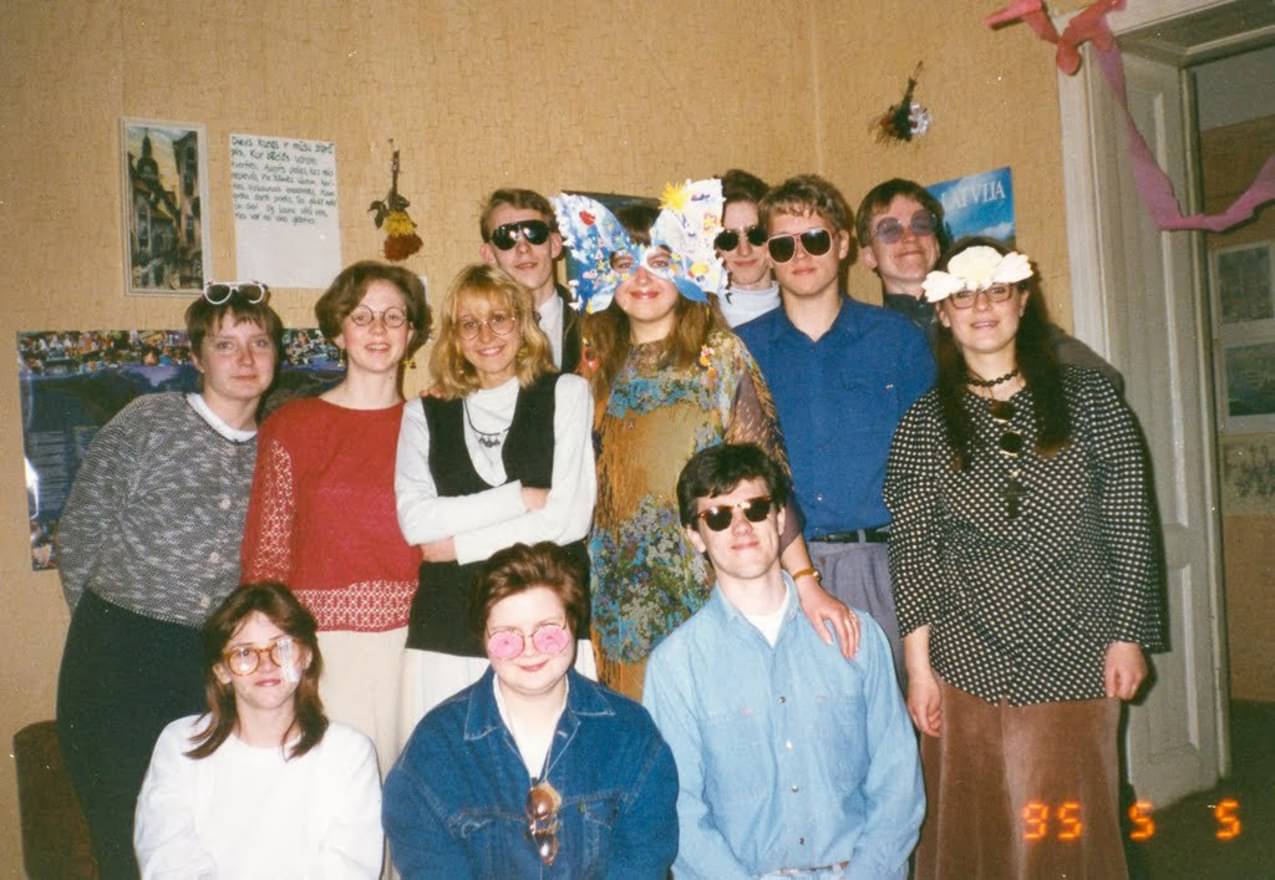
I had a very hard, traumatic childhood. There was much violence and things that were not beautiful. I think one of the things that helped me to be strong and to survive was my connection with nature and with books. Essentially, I spent the greater part of my childhood outdoors, in nature. My grandmother lived in Smiltene, where there are fairly large forests, and ever since I started walking on my own two feet, I spent a lot of time gathering mushrooms, picking berries and looking at nature, searching for animals and for what I had read about in books. I think nature was also my first unconscious encounter with God.
My grandmother was an organist. She did not know much about theology, about what is spoken of in church, but she thought it was a good thing. Despite the Soviet occupation, for 33 years she played the organ in various churches in Vidzeme. I went along with her. She said that I, from about three years of age, would often stand outside her house in the evening and look up at the sky, as if praying. I remember it, because I did pray. I did not know what to pray for, so I prayed to the big tiger in the sky.
Nature and all the wonder that nature is led me to God. Step by step I began to search – what is said in church, what is theology, and what do people believe. The first group I came to was Aida Prēdele’s “basement group.” There were quite a lot of young people there. The first congregation camps took place in Strutele and Cesvaine. Those were the first places where I began to ask my theological questions, to learn songs, to learn about the Christian faith. It is interesting that almost all the people who were in Aida’s “little basement” have become pastors, and we also have one dancing nun.
Nature and creation are still close to me, being here in Scotland and also on the Isle of Iona. I could say that there I experience God most closely, but also being together with other people, being in communion, being in the liturgy and in songs, but especially strongly being in the midst of creation and sensing the Creator through it.
Is art a reflection on these experiences, or is it something else entirely?
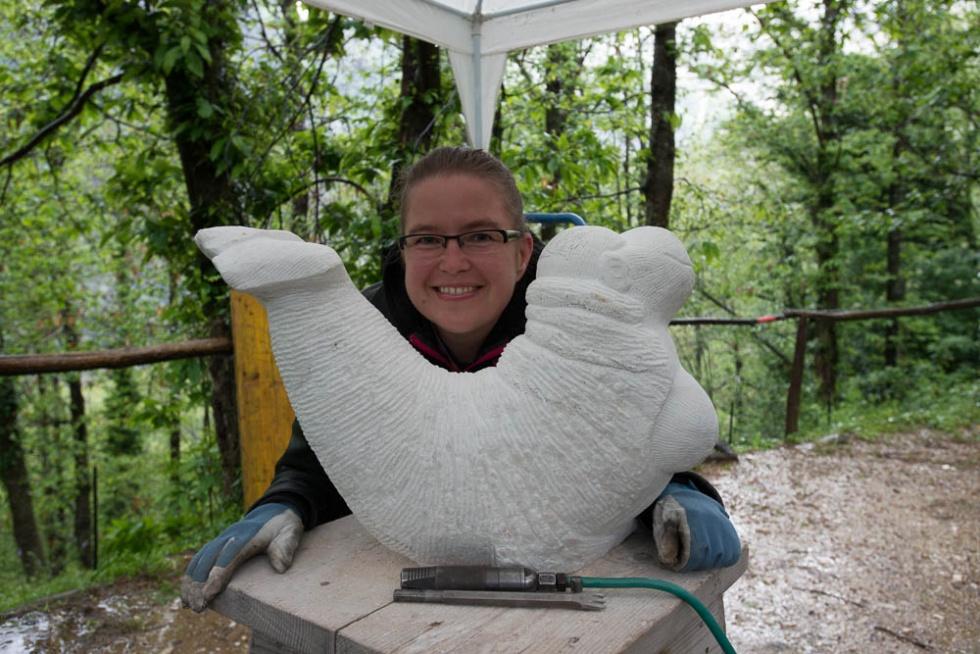
U.G. I think it is very deeply connected. For me, art is another language. Already in early childhood I began to make things with my own hands. Out of anything at all – out of foam rubber, wood, bones, out of whatever I could find. At that time it was an expression of creativity. When I began to engage with art more seriously and intensively, it was an attempt to find another language, not only to write and speak about faith, about God, about creation, the world, pain, joys, but to do it also in three dimensions and visually. Looking at the art that I have had the joy of creating, all the created forms are very organic; they too could be out there, in nature – plants, deep-sea creatures.
While carrying out your primary tasks, being a chaplain, is there still time for art as well?
U.G. Unfortunately, no. I have always enjoyed art, though. It is very important to me to go to exhibitions, to visit museums and to see what is happening in this field in the world. One of my first projects at the University of Edinburgh was organizing an exhibition. It was about spirituality in Japan – photographs by my husband Mihael, my poems translated by Japanese theology students. But to do something larger myself – there is not enough time and strength, and I miss it very much. I hope that in the near future I will be able to return to art.
My role at the university is fairly new, both for me personally and in general. I started a little more than two years ago, and it was a time when there was still covid and everything was practically closed. Lately we are again discovering and rebuilding everything from scratch, but it has been a very intense and also very difficult time. I have spoken with other chaplains who have been in this work for 15 years already, and they all say that this is the hardest time there has ever been. The reason for that is also that people are still struggling with the trauma that comes from the pandemic period. Many students finished school without meeting a single person – they began university entirely alone, only online. And then there are also the things that are happening in the world right now.
We are a little more than 60,000 at this university, and if something happens somewhere in the world, then surely some student or staff member is connected with it. We have a fairly large number of people from Ukraine, Palestine and the area around Gaza, so we have students and faculty who are connected with that situation and that pain. We have various groups that hold very different opinions about what is happening. The conflict is not only there, but the conflict is also in the university. We try to listen to everyone and to be present.
One of the most important things for me is the question of justice. If something unjust, something violent happens, then it is very important to me to do something against it. Both the Gaza situation and the Ukraine situation are very pressing right now. Likewise natural disasters – the situations in Malawi and Syria over the past year, and many other conflicts at the university as well, so in this respect it is a very difficult time. On the one hand, it would then be very important to put this out into art, but for that one needs time and energy, and right now the priority is to be present for those who are in pain.
Thinking about these complicated times and the various ideological perspectives that cannot coexist with one another – is presence what is central in theology? What is good theology in a time of turmoil, war and conflict?
U.G. That is a question that has been close and important to me for a very long time. Both because of what happened in my own life, beginning with the difficulties of childhood, beginning with everything connected with the Soviet era, but also with what happened to women in ministry. It was extremely difficult and painful. Essentially I lost my home, because I could not do what was my calling.
As I have worked more and more with people who have experienced various kinds of trauma, I have always had the question: God, where are You in all this? Classical, historical theology has often said that God is almighty and that God can do everything and so on, but that is not my experience. In my view, God works differently. Speaking with people and, for the past 30 years, listening to their stories – stories of war experiences, of family trauma, of something else – I experience more and more that there are no simple answers, but God is present. It is not God’s will that these terrible things happen. Many things happen because of people, because we choose to do these things, we choose violence. Other things happen because that is nature. Nature works in such a way that there are earthquakes, floods. Although, especially of late, it is also our responsibility – what we have done over the past decades and longer. It has affected nature, and that is why natural conditions are becoming more problematic. The insight gained from the stories I have heard, in which I listen, is that God is present. God goes through these difficult things together with us. It is not God’s will that these things happen. If we want, God offers that we can go through it together. In spite of the pain, in spite of the trauma, there are good things that happen in it. We can grow, become more sensitive toward other people, toward nature, toward our world and creation. It is not in any plan that, therefore, this [the hard, the bad] has to happen, but how it happens. And it is our choice – if we go together with God, then something valuable can come of it.
One of the things I remember from the time when I studied in Heidelberg is the story of a boy who was hanged in a concentration camp. Often in concentration camps people were hanged and killed in front of other people – as a warning, a punishment. The story is about two Jews who were forced to watch as people were hanged. One of these people was a young boy. He could not die quickly; he had a very hard and painful death. One of the Jews asked the other: “Tell me, where is God?” The other said: “Don’t you see? He is hanging there.” Essentially saying that God is present in suffering. It is not God’s will, it is not God’s plan, but God is present with us when people or life do something to us. God also calls and urges us to stand against injustice.
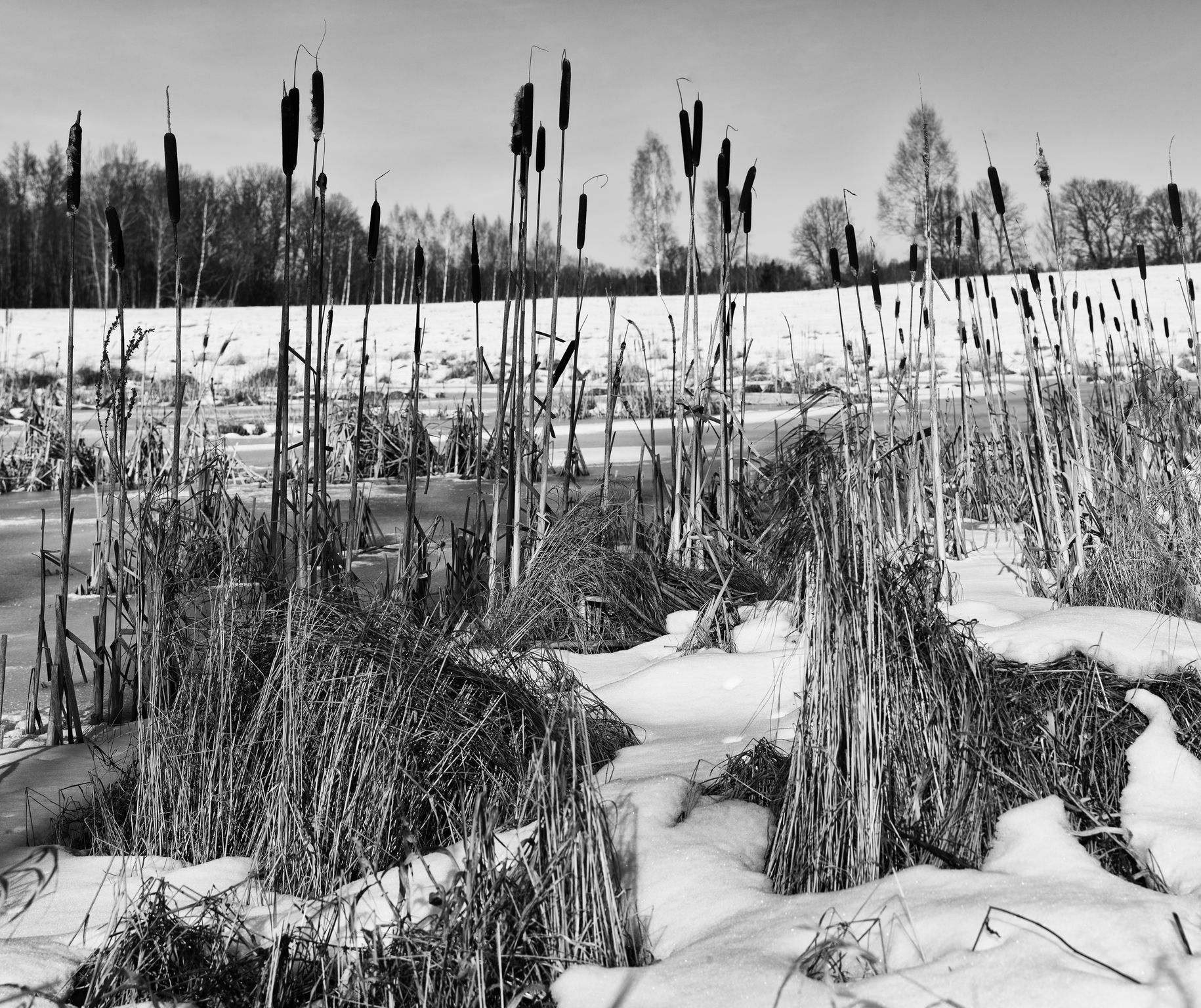
Art installation “Āraiši” by Urzula and Mihael Glīneke 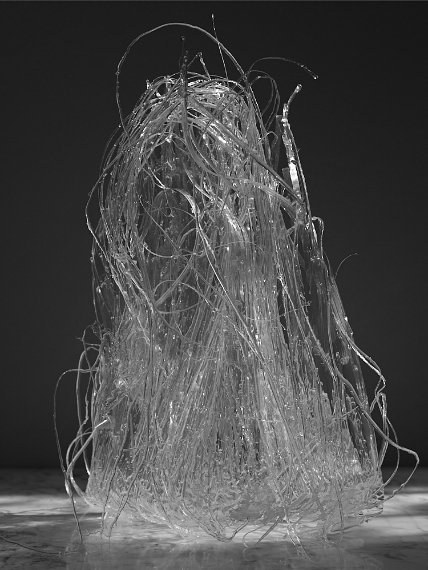
Art installation “Āraiši” by Urzula and Mihael Glīneke. Our God, whom we know through Jesus, is a God of new beginnings. God raises up the sufferer and the outcast. The wounded gain new hope and new life. Like a frozen lake, it awakens again in spring. In the Book of Revelation 21:4 we read the promise: “God will wipe away every tear from their eyes, and death shall be no more, neither shall there be mourning, nor crying, nor pain anymore, for the former things have passed away.” One of the greatest promises is the coming of the Kingdom of God, and we are part of this promise. God raises up the fallen, the sufferer, the poor and the oppressed. As Latvians, we once were such. What can we now do to share the grace we have received with those who need it most right now? 
Art installation “Āraiši” by Urzula and Mihael Glīneke 
Art installation “Āraiši” by Urzula and Mihael Glīneke
You mentioned the Iona Community; tell us more about it. Are you still actively connected with it? What is it about this community that is meaningful to you personally?
U.G. The Iona Community is my spiritual home, and that means a great deal to me. All those decades since “Vanags happened” in Latvia were very difficult for me; one could say it was like walking through nettles. Ever since I left Latvia, I was always in a foreign place, and it was very difficult for me to find a place where I could belong, where I could feel at home.
I had very biblical seven years in one country, seven years in another, seven in a third. When I was in Spain, I had my first encounter with the Iona Community. The Anglican church I attended in Spain used Iona liturgies and songs, and that spoke to me very much.
I had the feeling that I had lost the church. The problem was that conservative churches very often were active and had a sense of community, but, honestly, a terrible theology – the devil and hell, and punishment, not to mention the role of women in the church. Many of the liberal churches, in my experience, had a better theology, but did not have the community, and so I thought I would set aside this whole church thing and start doing art full-time.
But something was missing, and at times in Spain we began to go to the Anglican church, and suddenly these liturgies and songs appeared. What spoke to me was that they were very connected with nature, with themes of environmental protection, inclusive language, justice. Then I asked “auntie Google” what it was. I read about the formation of the community. At one point I went to work at their nature center, on the neighboring isle of Mull. There, at the nature center, come people who often have some disability, often groups from prisons, children and young people from cities who are usually not in nature, and everyone has the chance to spend time in nature.
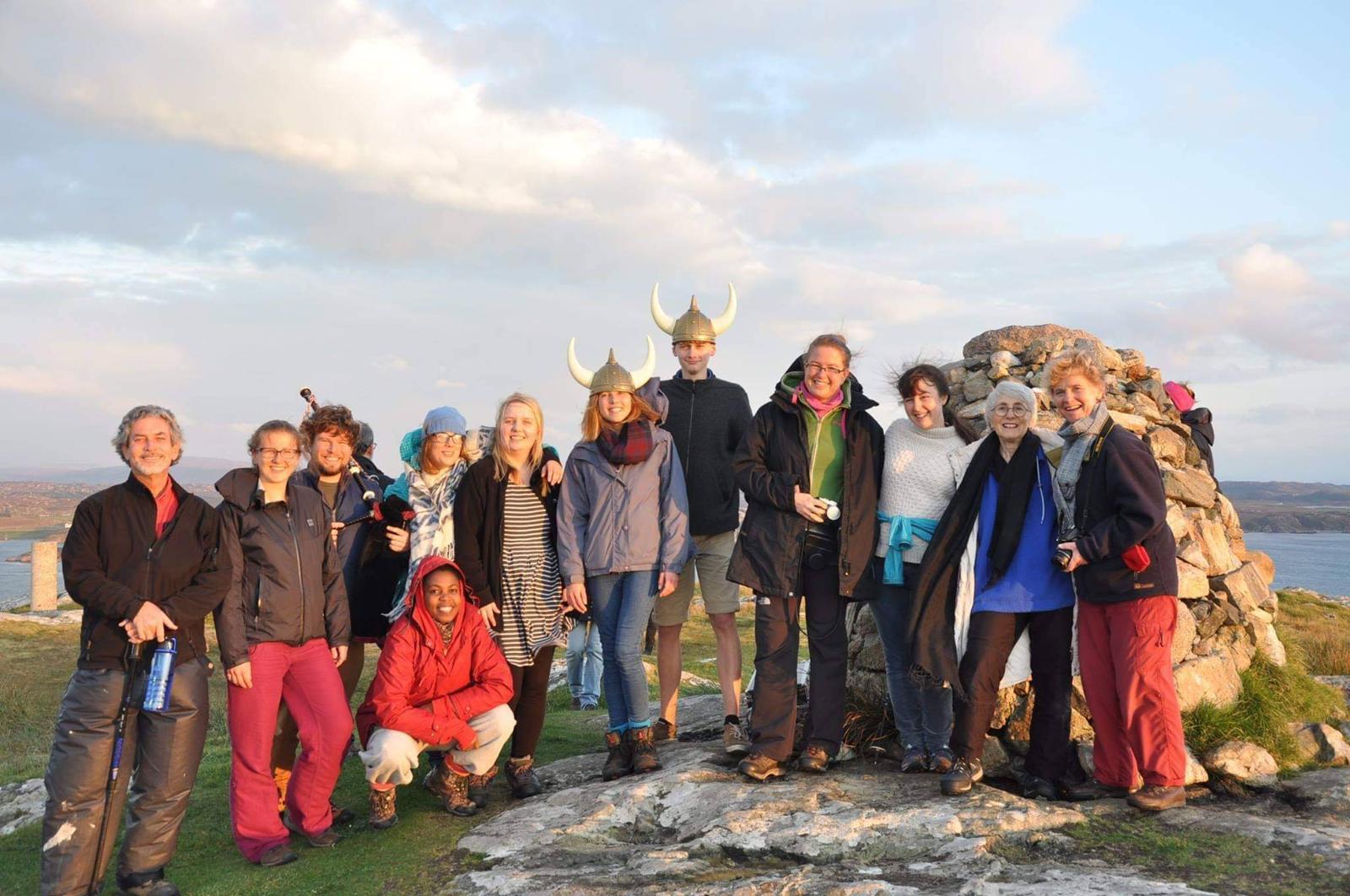
Later I was on the Isle of Iona as a guest and pilgrim. My husband called me and said, do you know that there is a job there right now that you could get. I had two days to apply. So I began working on the Isle of Iona in the middle of the season, when each week some 90 pilgrims and also about 30 volunteers, with very minimal pay, stayed with us. In the middle of the season I began to lead the program for both centers, because the person who was supposed to lead the program went on vacation and disappeared, did not return. I began to learn what was happening and how. I very much liked working there, and it is still my favorite job.
I began the process of becoming a full member of the community. It is a four-year process, after which there is an initiation. It is not a role that you hold forever, but it is renewed every year. Then the question is asked, whether you are still “together with us.” Sometimes people pause their involvement for a while, while others are very active. It is a community that does not live on the Isle of Iona, but its members live in various places around the world, and we support one another and work in the field of social and environmental justice.
I very much love its values. I love that it is an international network that goes all around the world. The liturgies, songs, language, values, and the fact that we can support one another. Many good things also came about during the covid period. One thing was services on Zoom. Now they are once a month, but in the hardest times, when people were isolated and lonely, they were every week.
I led the programs on the island in 2016 and 2017, and the only reason I am no longer there all the time is that renovation was needed there and the program was discontinued, and then the covid period began, and so the program could not be resumed; and at the present moment only one of the two centers is open, the other still has to be renovated. I still lead individual weeks.
After the Isle of Iona you prepared for ordination and immediately began work at the University of Edinburgh; did you serve anywhere else as well?
U.G. It was all quite complicated. One of my difficulties was that I have never felt called to ministry in the classical congregational work. From the very beginning I had the conviction that my ministry is different. Back then, still in the time of Archbishop [Kārlis] Gailītis, we had a conference on youth work, and I had the great joy and honor of being chosen as the coordinator of Riga’s youth work. I thought that this would have been my path. Afterward, too, I studied youth and student work in Norway. I was very involved in work with young people. I liked it very much and was very happy. When all those changes happened in the Lutheran church in Latvia, all of that was cut off.
I was not ordained, and in the churches where I was, in the countries where I lived, I asked what the possibilities were. It was always complicated and long, and the simplest would have been congregational ministry. I was in congregations for a while, but I did not feel it to be my place. I was very happy in the Iona work; that truly was my thing, where I could flourish, and at that time my wings grew. When the centers closed, then it was a rather deep pit: what next?
I began [to be involved] in the Anglican church, because it seemed that it would be closer to my Lutheran tradition, but nothing moved forward. Then a pastor who had been with his congregation people on Iona said to me, look at the Church of Scotland. Yes, it is different, but give it a try! Then, suddenly, everything began to happen. The Church of Scotland received me with open arms. One can rarely say that of any church, especially of the Church of Scotland, but they were full of inventiveness and very open in how I could enter this system. Because of my education and experience, I went through the admissions commission with ordained pastors from other churches. After that I had probation – 15 months in a particular congregation, Greyfriars Kirk in Edinburgh, and after that I had to find a place to be ordained. Usually chaplains are not ordained; it is more of an exceptional case. But people knew my story and the pain about what had happened on my path, and the Edinburgh presbytery voted to ordain me into the position of university chaplain. With this ordination, if the calling to it were to reveal itself to me, I could also serve in a congregation. Yet it still seems to me that my calling is an alternative one.
How is it going with the flapping of wings, the flourishing in the work of a university chaplain? Is there enough creativity and opportunity to work in an individualized way?
U.G. There are opportunities and there are also challenges, because it is a very large organization. That means there is bureaucracy, that there are some things that are harder to do, but there is also much that is free and inventive. We do a lot of pastoral work that is not explicitly religious – we work with people of various faiths. We have what is called a listening service. Both for faculty and for students, if they want to talk with someone, there is such a possibility. We organize support groups, organize exhibitions, lectures, conversations, bring people together. I love organizing larger and smaller pilgrimages. The work is very varied.
What are the greatest joys in the university work?
U.G. I would say it is two things. Seeing and experiencing that people change, that people who have great suffering and trauma find healing, new strength and new beginnings in their lives. The other thing is to bring people together. For example, last year we had an event where Muslim, Jewish, Buddhist students, and also students without a particular faith, came together and spoke about what the experience is with antisemitism, Islamophobia, with discrimination and exclusion. Also about what it is like when people become a community, are together and support one another. It is a joy to see, when we come together, completely different people, with different experiences. In the end they say: “We are not so different after all.” Also working with organizations such as the Grass Market Community Project, which is a project where people come together who have great difficulties, who have experienced trauma, and then bringing them together with students. One of those projects is that students get to know participants here in Edinburgh and then go for a week to the Isle of Mull, which belongs to the Iona Community, for a nature program. It is a joy to see how people gain self-confidence, joy and freedom.
What gives you joy personally; are there any new projects you are working on that inspire you?
U.G. I very much love writing liturgies. It is one of the great joys, when the Iona Community or some other organization asks whether I could write something. I really love that. I have just finished writing for Good Friday, which is in a book published by Iona with materials for Holy Week. There is a plan to organize a service ecumenically with the United Reformed Church, with the Episcopal Church, the Church of Scotland; we plan to use these materials on Good Friday. We will also sow seeds, because the theme is from the Book of Isaiah, about a plant that grows up through dry, hard soil. We will talk about it, sing, pray and also sow seeds, and see what grows from them. Often we live in our heads – in words, in writing, in speaking, and it is very important to get out into nature – to sow something, plant it and see it grow. That is also one of the joys.
How do you integrate these various areas of ministry? They seem interconnected, but the spectrum is very broad. Is it easy to balance and harmonize?
U.G. The diversity in what I do is fairly new to me. My role at the university is such that I shape it myself. When I came into it, there was essentially nothing, largely because those were the covid years. So I could look at it with inventiveness – what is possible, what could be done. Some things did not work out, but others did.
Thanks to the fact that we have students and faculty from very different countries and disciplines, diversity is possible, and I love that very much. It is a joy, when writing reports about everything I do, to see that the things really are diverse – ranging from classical pastoral work to, for example, leading a memorial service for Dolly’s father [Dolly the sheep] – that was fantastic. Sir Ian (Ian Wilmut) passed away, and I had the joy and honor of leading his memorial service. I got to know the people who worked together with him and those who are taking over his role. I also learned why they did it, because usually people say, ah, yes, Dolly, cloning… But in reality, what they were doing was trying to create medicines made in sheep’s milk, and from this research come many other medicines, the so-called biologics, which are medicines for arthritis, various kinds of cancer. The last work that Sir Ian did was research on Parkinson’s disease. The sad fact is that he himself died of this disease.
Yes, and then there are the many other things I do – exhibitions, talks. I have to be careful not to do too much. It is quite easy to burn out, because everywhere something is needed. Lately I have devised a system – the things that are truly very important, and the things that give me joy and energy, and those are the things I do. To what is in between, I say “no.” I think I have never in my life said “no” as many times as in the past months. It is very, very hard, and it is a whole science that I am trying to develop.
Joy comes from things that have variety, that are connected with nature, art, beauty, and in general working together with people. It is very hard for me if I am alone at home and cannot get anything done; it is best for me to be together with others, and, if possible, with people as diverse as possible.
You have had very diverse experiences with communities and the church, and weighing what has already managed to happen in your life and what you have learned from these experiences, what kind of future church do you envision?
U.G. I see hope where people come together and listen to one another, where they do not try to exclude, punish and criticize others. Hope is where we can say – this is your pain, this is my pain, and how can we help one another together, how can we change society, the laws, the church so that everyone would be well. The same is true with environmental protection – this is our world, our creation. What can we do so as not to destroy it? In those places where people also come together in a spiritual sense – praying, singing, being in the liturgy, in the service, thinking precisely about justice and the themes of nature – there I see hope.
Earlier the idea was that people have to come to church, but now a different time has come. Our task is to go to people, to go to young people and ask, what is on your heart, how can we support you, how can we work together. There I see that God is working, and there I see a future for the church. The exclusionary and arrogant attitude that says, we have the truth and you must come to us, does not work, and if it does work, then not in a healthy and good way.
Thinking about justice, especially in Latvia – in the theological and ecclesiological landscape, what should be talked about?
U.G. One question is certainly about the role of women in the church. It was very interesting for me to learn about the research that has been conducted in Latvia of late, and to get to know the answers people give as to why women should not be ordained. How absurd these reasons often are! One must listen to the pain that has arisen in people from it – both my own experience and that of many other women whose path was cut off. There have been decades that have been hard, painful and at times hopeless. It is important to listen to that and to ask the question, is this really what God wants? Is this really the way of love, to say that we will exclude people?
Other questions too, for example, about environmental protection. In Latvia this is a very important matter. Sometimes I have seen churches get involved in it, but it could be done more. Another pressing and important question of justice is about traditional and non-traditional families and relationships. About this, too, I hear much pain and suffering.
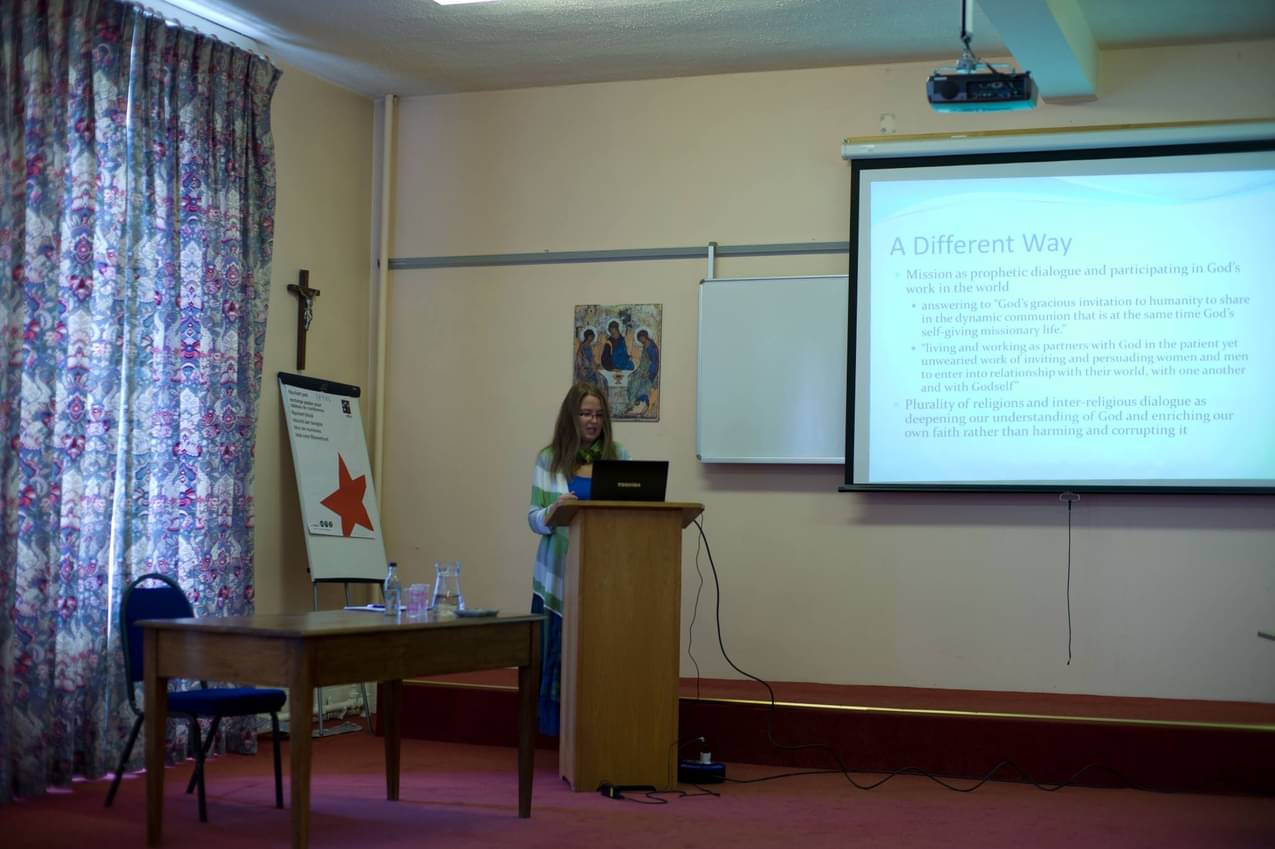
Recently I had a very interesting discovery – I looked back at my theological research, about which I have written. I could not have imagined that there is a connection between them, because my bachelor’s thesis is about apartheid in South Africa and the churches in it; my master’s thesis is about the Missouri Synod, comparing it with the other Lutheran church in the USA; and my doctoral dissertation is about the dispute between conservative and ecumenical churches, looking at the future of mission. When I looked at what I had actually been writing about, then in all three cases I am looking at how the church, in different situations, with the same Holy Scriptures, often from the same tradition, reacts in complete opposition. For example, in the apartheid situation there were churches that fought against apartheid and there were churches that supported it, based on those same Scriptures. The same in the Missouri case, and the same in the case of mission.
In my own life, too, this has been very important, because, from the very beginning, I had many contacts with conservative and charismatic Christians and also contacts with very liberal and open theologians. For some 15-20 years my path went together with both of them, but then a time came when I had to ask this question deeply: but in what do I believe? What do I choose? How do I choose to believe and what questions to ask?
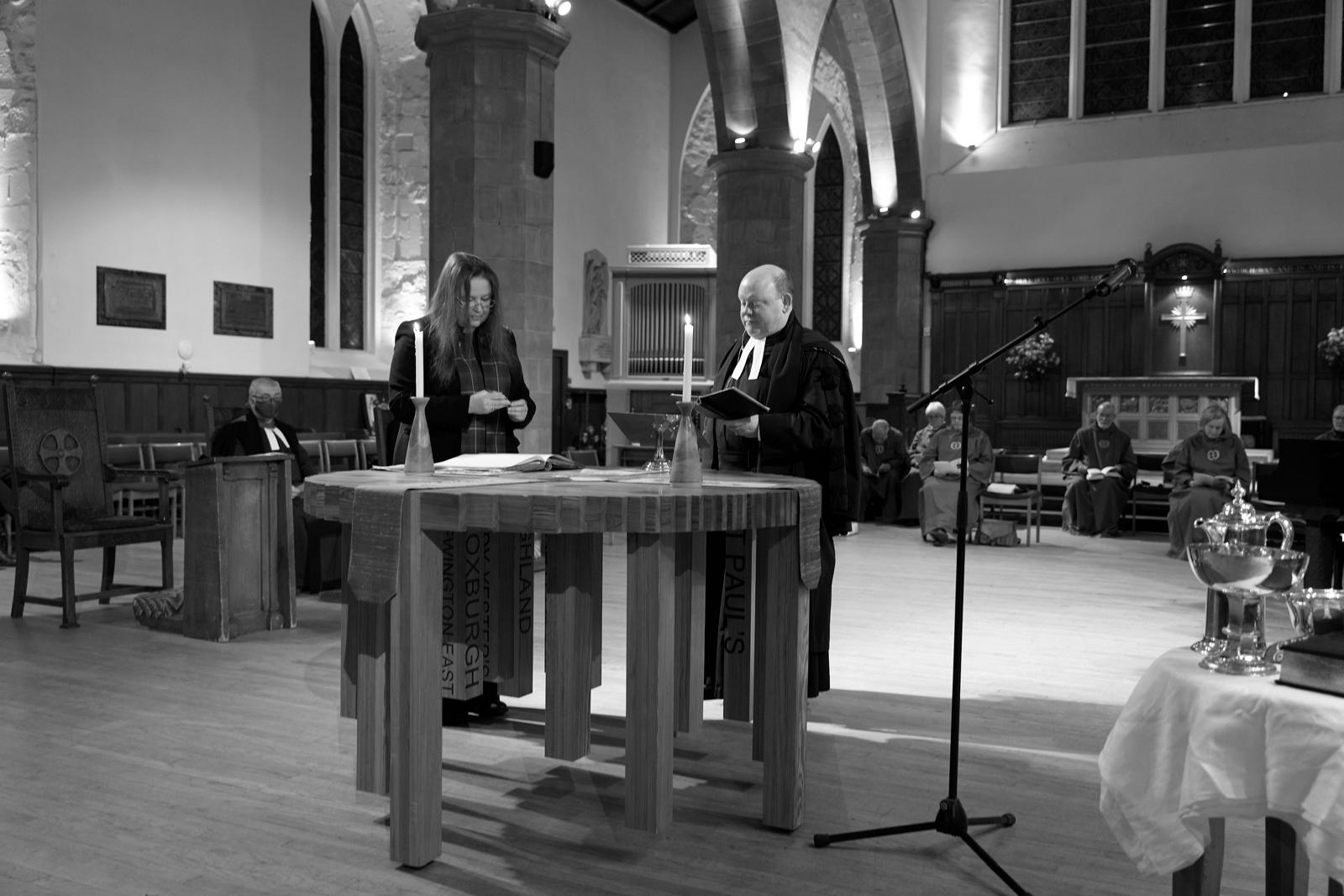
Ordination service in the Church of Scotland, with the moderator 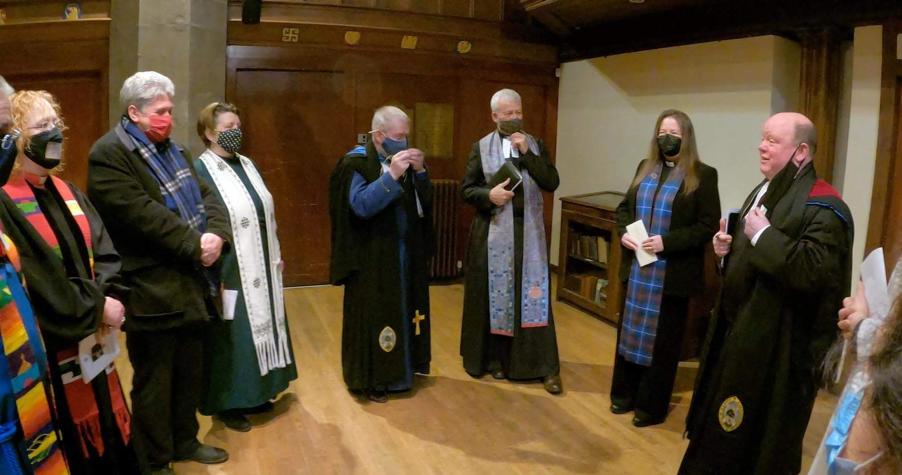
After the ordination service at Greyfriars Kirk. Together with Urzula Glīneke, the picture shows clergy from the Church of England, the Episcopal Church, the United Reformed Church, the Eco-Congregation. Off camera are two moderators – from the Church of England and the United Reformed Church 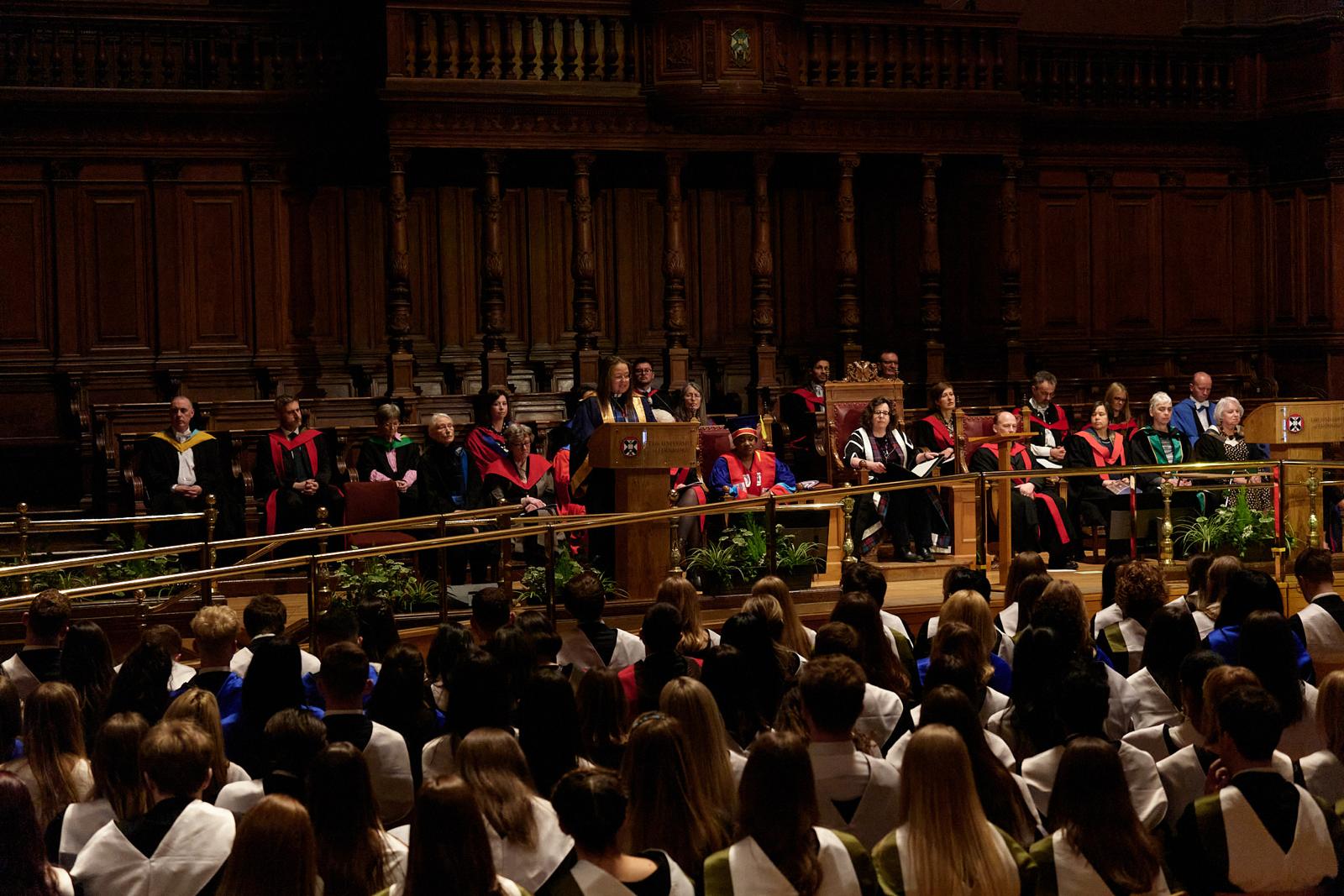
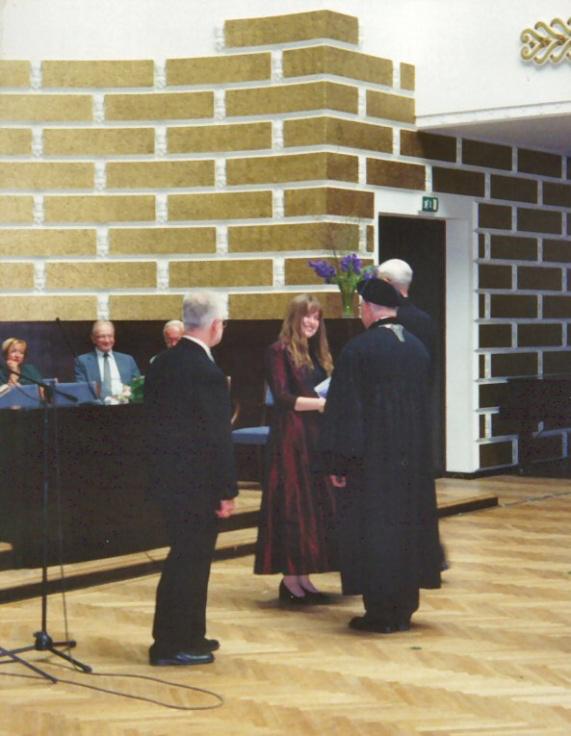
University of Edinburgh, graduation after the lifting of covid-19 restrictions 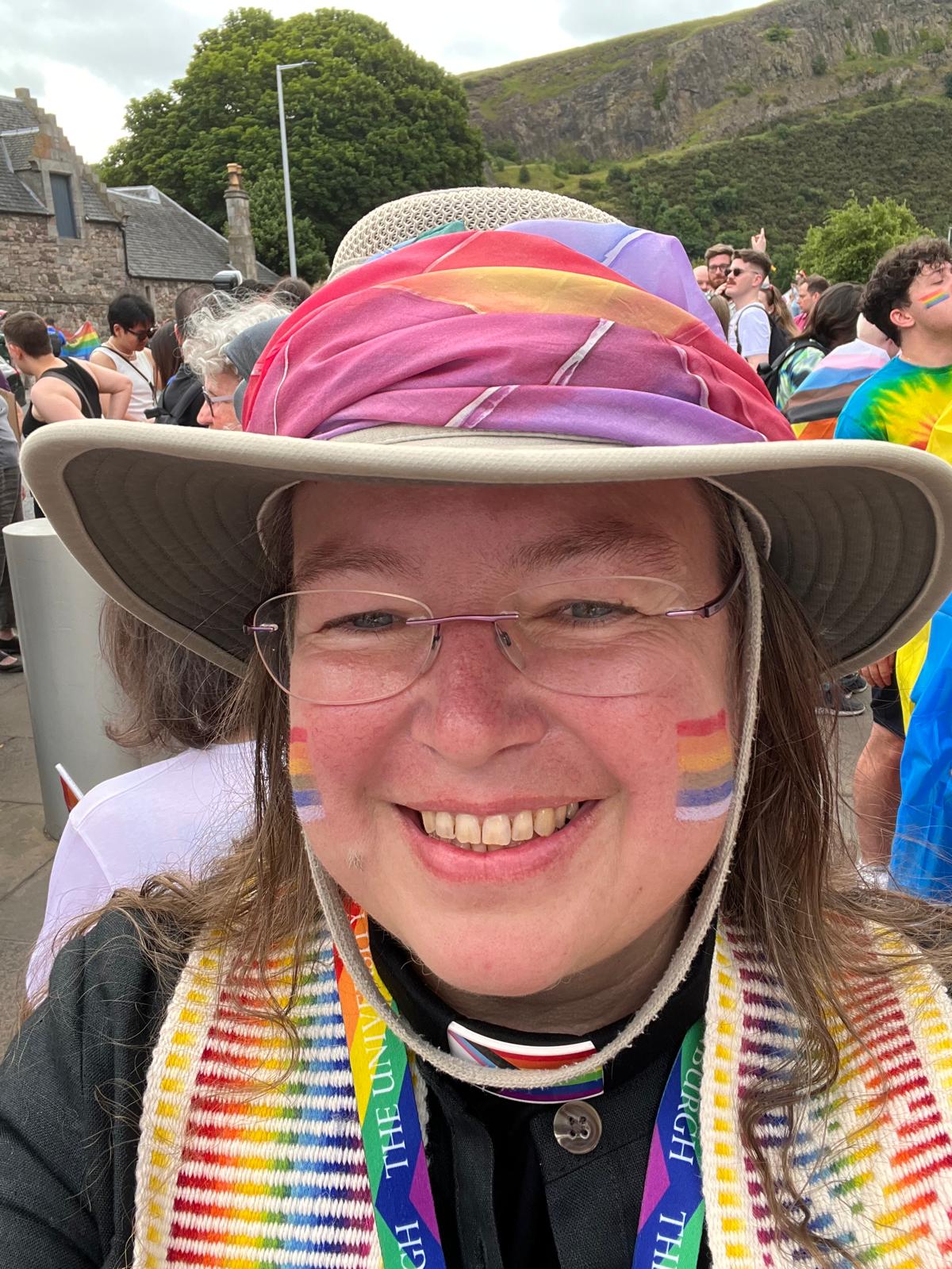
From these personal experiences, studies and encounters with such diverse theological insights, have you assessed what role dialogue, cooperation and the ability to listen have in ministry and theology?
U.G. The experience at the university shows that people often do not want to listen and do not want to change. For there to be a real dialogue that gives something to both sides, a certain openness to change and to think is needed. Perhaps the other person will say something that will make me reflect, perhaps I will have to ask different questions, perhaps I will have to change my position. The problem that I often see, with more conservative churches and people, and that I also see in a non-religious environment, is that people are not open to change and rigidly stay with their convictions. Essentially, that is not dialogue, but only the shouting out of one’s own convictions. For there to be dialogue, one must listen. Even if I do not agree with and do not believe what the other side says, I still have to listen and try to understand. Perhaps the conclusion will be that we will never agree with one another, but perhaps there is some sphere and some corner where we can work together.
I remember a situation between a very conservative church and another, much more open one. For a long time they could not reach a dialogue, because they had completely opposite theologies. In the end they decided – we will not argue about theology, but we will do something together. They began to change the situation in their city, in which there was a great deal of poverty. Doing good together, it works. It is complicated, especially if there is very old pain, or if the foundation of faith is fear, then it is also very hard to understand one another and to talk.
I remember, in 1992, Billy Graham (the US evangelist Billy Graham) came to Moscow. I was one of the young evangelists who went by an organized train from Riga to Moscow. A week before that there was extensive training, and then we went out into the streets to evangelize. A couple of years ago I found my diary from that time and began to read it. It was so sad to meet again this teenager – the whole diary is full of fears. Fear that my family would end up in hell. Fear that I would do something wrong and that because of me someone else would end up in hell, and so on. It was so sad. In my doctoral work there was a small experiment, in which I asked people various questions, but essentially only two were important. One question was: “Do you believe that God is loving and merciful?” And, a little later, among other questions: “Do you believe that people of other faiths and religions, for example Muslims and Buddhists, will be tortured in hell for all eternity?” The majority of conservative Christians answered “yes” to both questions. Then, in turn, my question was – how can one not see it? How can one combine the idea that God is loving and merciful, but that he will torture for all eternity?
It was precisely because of such questions: where is God, what is God like, who is the one who gives life, love and grace? That made me decide what my path is, what theology and faith is the one I want to follow.
In your case it was a very gradual path to arriving at these insights?
U.G. Yes, and certainly a very large role was played by my theology studies in Riga, at the Faculty of Theology. To see that there are very different schools and directions of theology, to see how, over the course of centuries and millennia, thinking has developed. The other thing is more pastoral and a matter of the heart. One of the more recent examples is from June of last year, when, from the university, I took part in the Edinburgh pride. I have been there before as well, but this time I was visible there as a pastor. Over this matter I was attacked by several very conservative Latvian fellow clergy. I had to compare that joy, diversity, warmth and love that I saw at the pride, and then this very hate-filled, terrible language that the fellow clergy use. I asked myself – where is God? Is God in this love and diversity? Or is God present when a fellow believer tells you that what you say is “dog’s nonsense”?
In the early days of my faith, when I was still a teenager, I had a friend who often sent poems. We met in Strutele, at the first congregation camp, and were friends for quite a number of years. The tradition was that if he found some interesting poem, then he would send it together with a letter. One of those poems was about a shepherd boy who looks up at the stars in the sky and looks at the little church where a light shines. He sees the reflection of the stars in the water and wonders – where, then, is the true home? The answer in the poem was: go where they love you!
It is much simpler to cling to some dogmas and to something unchanging. But that lasts only until the moment when something happens and changes in life, and then it can no longer carry you, but constrains you, or constrains others and does them harm.
I often have to think about how the Dead Sea died. It stopped moving, then became oversalted and became the Dead Sea. Jesus did say that he is the way. He did not say that he is a box or a book, but the way, and that means change, sometimes also danger and uncertainty. Through that we grow and become more like the one who created us.
If God has created all that immense diversity in nature and said that it is good, then our own diversity as human beings, and the diversity of our paths, is wise, good, complex, but also very beautiful, alive and unsalted, because it keeps moving and flowing.
With what would you like to conclude the conversation?
U.G. I would like to conclude with a blessing from the Iona Community:
“May God the Father, who shakes heaven and earth,
Jesus, whom death could not hold,
the Spirit, that flame which burns to challenge and to heal us,
the Triune God, write their good news on our hearts,
bless and guide us, and send us into the world as living letters of their word. Amen.”
…
All published images are from Urzula Glīneke’s personal archive
More about Urzula’s work:
https://blogs.ed.ac.uk/?s=associate+chaplain+urzula+glienecke&toplevel=1
https://www.baltictimes.com/the_state_of_the_art_in_listening_to_fragility
https://greyfriarskirk.com/sermons
https://www.ionabooks.com/product/like-a-root-out-of-dry-ground
(conversation and transcription of the text: Arta Skuja, LLSTA)